


 Date:2026.10.28
 Views: Loading


The motor controller may then reduce output or the pack may reach a protection limit. High-rate cell design addresses this problem by supporting higher current delivery while limiting voltage drop and resistive losses under specified conditions. The difference becomes visible when a tool maintains speed under load instead of slowing during the hardest work.
Similar questions arise when designing a battery pack for electric car applications, although the size, duty, and cooling arrangements differ. For handheld equipment, the challenge is particularly concentrated: useful power, manageable weight, temperature control, and repeated operation must fit within a package that remains practical to carry and handle.
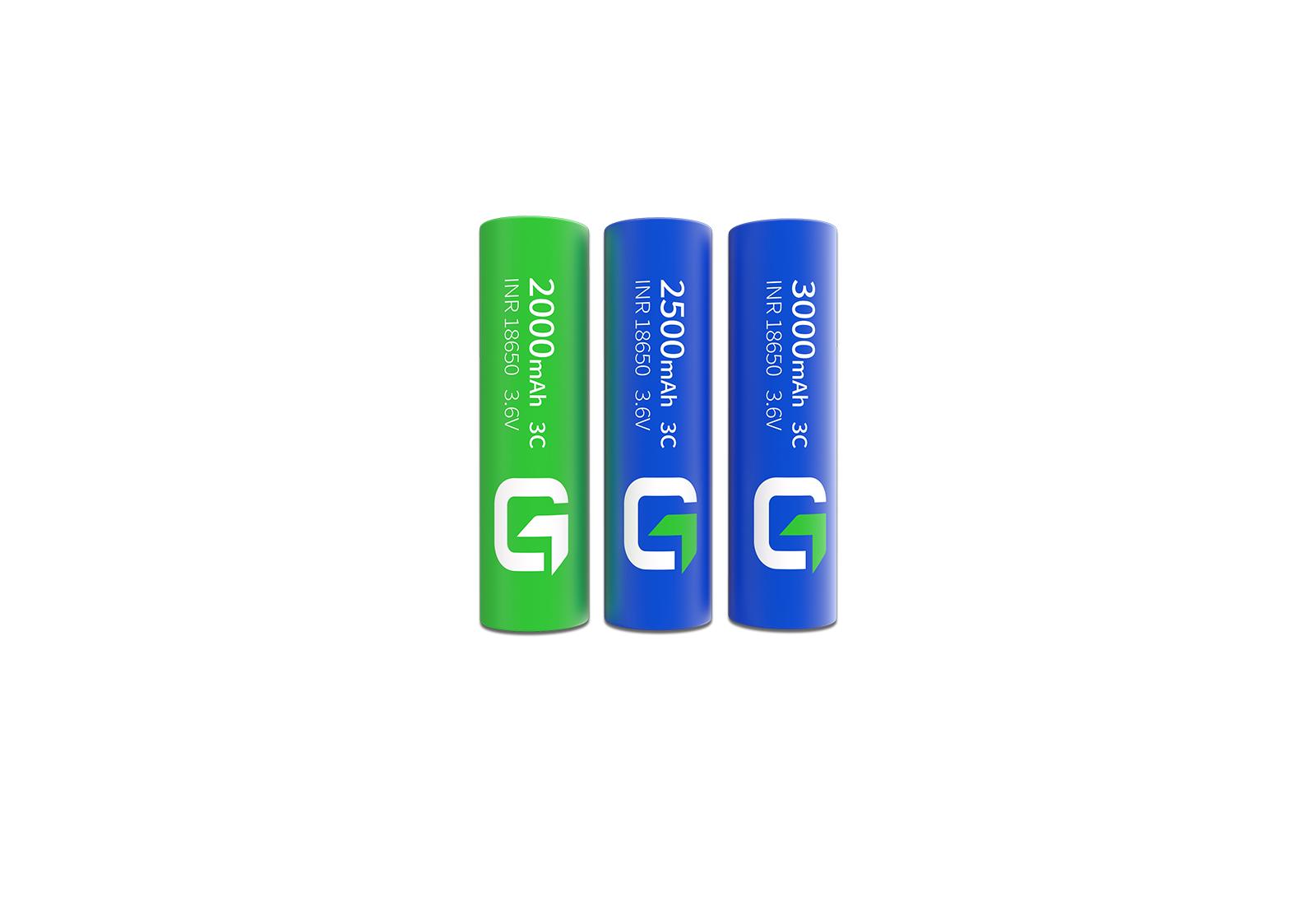
High Discharge Rate Helps Maintain Useful Output
Discharge rate describes current relative to a cell's capacity. A higher permitted rate indicates that the cell can deliver a stronger current under specified conditions. It does not describe runtime by itself. Capacity, operating current, temperature, and the tool's minimum working voltage all influence how long useful operation continues.
For example, a hypothetical 3 Ah cell rated for 10C would correspond to a current of 30 A at that rate; the calculation alone does not establish how long that current can be sustained. For power tool replacement batteries, lower voltage sag can help maintain motor output while drilling, tightening, or cutting under load.
The improvement depends on maintaining voltage and managing resistive losses under high-current conditions, rather than simply discharging the battery more quickly. A large capacity rating alone cannot show whether a pack will maintain voltage during demanding work. Continuous and short-duration capability also need to remain distinct.
A brief current pulse creates a different thermal duty from sustained operation. Buyers should compare ratings with the expected workload rather than assuming a peak figure applies indefinitely. Rest periods, ambient temperature, and repeated starts can change the conditions experienced by the cells.
Lower Resistance Limits Unwanted Heating
Electrical resistance converts part of the supplied energy into heat. At high current, resistance in the cells, tabs, welds, busbars, and contacts becomes especially important.
A strong cell specification can be undermined by a poor connection elsewhere in the pack, so the complete current path deserves attention during design and inspection. At unchanged resistance, doubling current produces four times the resistive heating, explaining why small connection defects can matter.
Effective power tool replacement batteries combine low-resistance cells with suitable connections and a structure that allows heat to leave the assembly. Otherwise, repeated bursts can begin from an increasingly warm condition. The available thermal margin then becomes smaller even when each individual task appears too brief to cause a problem.
Cooling cannot compensate for every electrical weakness. A damaged contact or inconsistent weld creates heat at a specific location that an average temperature reading may not reveal. The pack therefore needs both sound construction and appropriate sensing. Keeping resistance controlled throughout the current path supports repeatable output during actual work.
Cell Consistency Supports the Whole Pack
Several cells normally work together inside a tool pack. If one reaches its voltage or temperature limit earlier than the others, protection may reduce the output of the entire assembly.
Consistency in capacity, resistance, and manufacturing quality helps reduce the risk of one weaker cell limiting the usable output of the pack. Matching is therefore concerned with how cells behave together, not merely whether their printed capacity ratings are identical.
The same principle matters in larger battery packs, where numerous cells share electrical and thermal duties. However, matching requirements must follow the intended application. Tool packs need evidence that reflects rapid starts, repeated high-current operation, charging behavior, and the temperature conditions expected around the motor and enclosure.
At Great Power, our power-tool battery applications include electric drills, electric wrenches, and concrete vibrators. Our cells feature low internal resistance and support continuous 15C discharge, while our fully automated production lines help maintain manufacturing consistency. These attributes provide relevant starting points when evaluating power tool replacement batteries, while the selected model still needs application-specific confirmation.
Turn Cell Capability into Reliable Tool Performance
More available current makes protection and compatibility more important, not less. A pack needs suitable current limits, temperature monitoring, charge control, connections, and mechanical protection. Replacement equipment must match the tool and charger requirements; a physically similar enclosure does not prove that its electrical behavior or protective functions are compatible.The approved replacement must preserve the required communication and protective behavior throughout both charging and demanding tool operation.
These requirements reinforce a useful distinction: cell capability and pack safety answer different questions. Automated production supports consistency, while the approved pack design determines how current, temperature, and abnormal conditions are managed in service. When assessing a power-tool battery, the engineering review must preserve that distinction.
At Great Power, our high-rate cells can support demanding power requirements, but useful performance depends on the completed assembly. Stable voltage, controlled heating, matched cells, compatible charging, and effective protection together determine the working result.
 Consulting & Services

 Great Power
