


 Date:2026.10.28
 Views: Loading


Safe photovoltaic solutions therefore begin with an accurate understanding of the installation. Operators need to know where electricity originates, how circuits connect, which controls affect each subsystem, and who is authorized to work on it.
A single shutdown command cannot be assumed to remove every electrical hazard across the site. Maintenance planning must follow the actual circuit arrangement rather than the visible operating status of a single device.
Adding a solar-powered charging station makes this coordination more important because drivers, vehicles, service staff, and energy equipment share the same location. Routine operation should keep public access separate from electrical work. The practical safety objective is to maintain clear boundaries before inspection, during faults, and when equipment returns to service.
Define Electrical Boundaries Before Work Begins
An up-to-date single-line diagram identifies PV circuits, conversion equipment, storage connections, distribution boards, and charging loads. It also shows where energy can enter from another source.
Equipment labels and circuit identification must agree with that diagram so technicians do not rely on an outdated name or an assumed connection. A drawing change also needs to reach the people who plan work, not remain only in a project folder.
Isolation belongs within an approved procedure carried out by qualified personnel. Relevant energy sources must be identified, controlled, and checked with appropriate equipment before work begins. Stored electrical energy also requires attention. A dark display or inactive charger does not, by itself, demonstrate that nearby conductors are safe to touch.
At a solar-powered charging station, the work plan also needs to identify which unaffected equipment remains operational. Barriers, access restrictions, and communication with site staff help prevent other activities from changing the affected equipment's isolation or maintenance status. Any temporary operating arrangement should be recorded and removed through a defined return-to-service process.
Control Connection Quality and Abnormal Heating
Connections deserve close attention because damage, contamination, corrosion, or poor installation can increase resistance. The resulting heating may begin locally, without an obvious change in overall site output.
Inspection should consider connector condition, cable support, enclosure integrity, ventilation openings, and evidence that components have been exposed to water or excessive heat. Comparing repeated observations at the same location can make deterioration easier to recognize before it interrupts normal operation.
For photovoltaic solutions, protective devices and physical maintenance serve different purposes. An alarm may identify an abnormal condition, but it cannot repair a damaged contact or restore a compromised enclosure. Repeated trips should lead to investigation rather than repeated resets intended only to keep the equipment available for another charging session.
Cleaning, connection checks, and replacement work must follow equipment instructions and the site's electrical safety procedure. Inspection frequency should reflect exposure, usage, and observed condition. A dusty, heavily used outdoor installation may need different attention from sheltered equipment, and changes in operating demand can alter the original maintenance assumptions.
Train People for Normal and Abnormal Conditions
Operators need a clear distinction between observing equipment and performing electrical work. Training should cover alarms, restricted areas, emergency contacts, permitted controls, and escalation responsibilities.
Contractors require the same site-specific information, particularly where they may otherwise be unfamiliar with local switching arrangements or the relationship between storage, generation, and charging. Handover records should identify temporary restrictions, unresolved alarms, and equipment that remains unavailable while investigations or repairs continue.
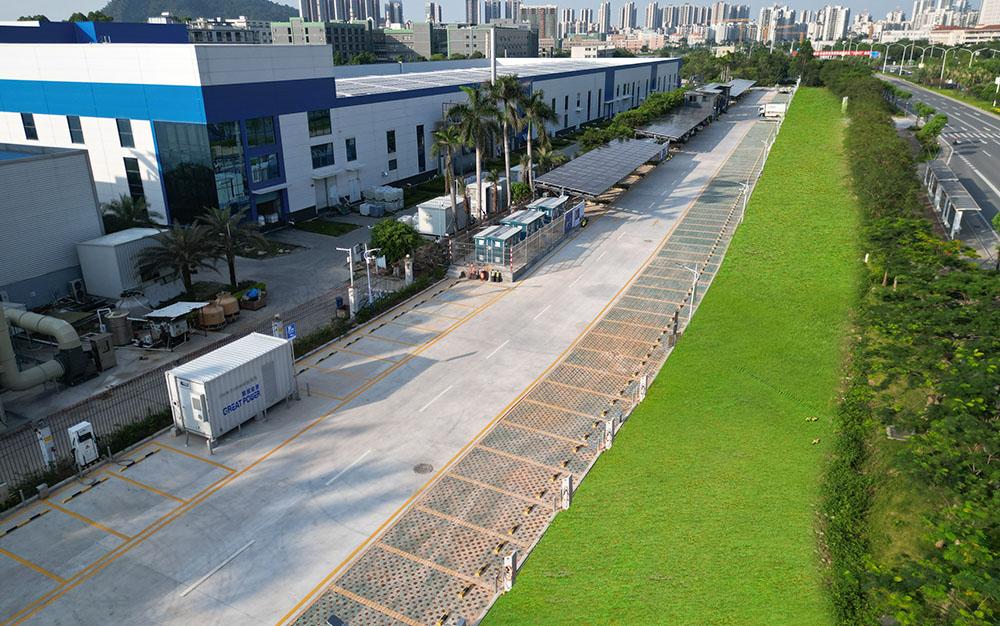
At Great Power, our intelligent PV offering brings together renewable-energy access, storage management, fast EV charging, and vehicle inspection services. These integrated functions establish the operating context for a solar-powered charging station. The installation's actual protection settings, isolation sequence, and emergency arrangements must still come from its approved design.
Training can follow that functional structure without assuming every person has the same authority. Monitoring staff can identify and report an affected subsystem, while qualified technicians investigate electrical conditions. Emergency responders need accessible site information. Clear handoffs prevent a software notification from being mistaken for permission to open or restart equipment.
Connect Monitoring with Maintenance Records
A useful maintenance history combines observations with operating data. Voltage, current, temperature, equipment state, and fault timing can reveal changes that a visual inspection misses. Records should identify what was found, what was repaired, which settings changed, and what checks were completed before the equipment was released for normal service.
Recording the reason for a change helps later technicians understand whether it corrected a fault or created a temporary workaround. We have established multiple intelligent charging station projects. For such installations, the value of integration depends on understanding how one subsystem affects another.
Maintenance of photovoltaic solutions should therefore track interfaces as well as individual devices, including communication, energy availability, enclosure condition, and the status of equipment temporarily removed from operation. Our Intelligent PV solution integrates renewable energy access, energy storage management, fast EV charging, and vehicle inspection services within one application.
Safe operation requires those functions to remain clearly identified throughout maintenance and emergencies. Current diagrams, controlled access, qualified electrical work, meaningful alarm response, and documented return-to-service checks help keep convenience from outrunning the site's safety arrangements.
 Consulting & Services

 Great Power
