


 Date:2026.10.29
 Views: Loading


Fire prevention in photovoltaic solutions starts with installation quality, suitable equipment, controlled access, and the early recognition of abnormal conditions. Extinguishing equipment serves a separate purpose after an incident develops.
The design also needs a strategy for keeping people away from hazards and providing emergency responders with usable site information. The emergency strategy must reflect the actual equipment and configuration installed at that location.
A large solar-powered EV charging site therefore needs more than an equipment inventory. Its layout, electrical connections, stored-energy sources, vehicle routes, and emergency controls must be understood together. The goal is to reduce opportunities for ignition, interrupt escalation where possible, and preserve access when normal operation can no longer continue safely.
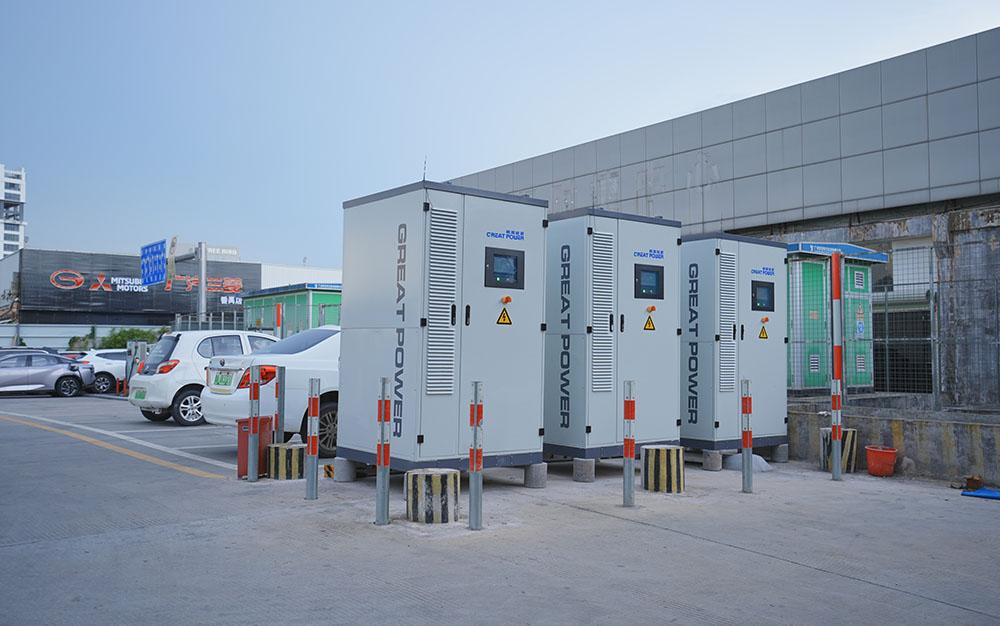
Separate Risks by Equipment Zone
PV modules, DC cabling, inverters, batteries, distribution equipment, chargers, and vehicles do not present identical failure conditions. A practical review identifies the sources feeding each zone and the hazards that could cross its boundary.
Equipment clearances, separation, and enclosure requirements must follow the approved design and applicable installation requirements. A cabinet label alone does not describe the consequences of the connections around it. At a solar electric car charging station, circulation routes are part of that review.
Queuing vehicles, parked cars, temporary storage, and service activities can obstruct access that was clear during commissioning. The operating plan must preserve the routes needed for evacuation, emergency attendance, equipment inspection, and authorized isolation work.
Physical organization also affects prevention. Damaged cable supports, obstructed ventilation, water ingress, or accumulated combustible material can undermine an otherwise suitable installation. Inspection should look beyond the front panel of a charger. Equipment surroundings, drainage, barriers, and service spaces all influence whether a developing fault is noticed and reached safely.
Detect Abnormal Heating Before It Escalates
Loose connections, damaged insulation, overloaded components, or restricted cooling can create abnormal heating. Some problems develop gradually and may first appear as discoloration, repeated derating, or recurring alarms. The useful response is to connect those signals with the affected component and operating condition rather than treating each warning as an isolated inconvenience.
Fault history helps distinguish an occasional event from repeated deterioration in the same electrical path. Busy chargers experience repeated connector handling and changing electrical demand. Contacts, cable strain relief, cooling passages, and enclosure seals deserve attention throughout service.
Maintenance should follow the equipment instructions, with electrical examination reserved for qualified personnel. A component suspected of unsafe operation should not remain available simply because another session can still start. Storage equipment introduces its own monitoring and response requirements.
For photovoltaic solutions that include batteries, charger status cannot represent the condition of every storage block. Alarm identification must distinguish the affected subsystem, while the emergency plan addresses the installed battery configuration. Early detection supports response but does not replace appropriate protection or separation.
Coordinate Generation, Storage, and Charging
At Great Power, our intelligent PV solution integrates renewable-energy access, energy-storage management, fast EV charging, and vehicle inspection. That combination demonstrates why fire planning must follow energy across several functions. The charger is the visible customer interface, but it is not necessarily the only energized equipment involved in a site event.
Solar generation, storage operation, and vehicle charging can change independently. Qualified personnel therefore need approved information about how each source responds when another subsystem is stopped or isolated.
Control commands, circuit identification, and actual electrical states must remain distinguishable; a software indication should not be treated as proof that all hazards are removed. Any shared supply or remaining energy source must be identified before maintenance or emergency isolation proceeds.
Our charging-station projects at Great Power provide a practical setting for this coordination. At any such site, alarm routing and emergency responsibilities need clear ownership. The operating plan should explain who receives an alert, who can restrict access, who contacts emergency services, and who is authorized to assess equipment before restoration.
Prepare the Site for Emergency Response
Emergency preparation starts before an incident. Responders need equipment identification, current diagrams, energy-source information, access arrangements, and suitable contacts. Signs and emergency information should be readable without opening electrical compartments.
Personnel must follow the established evacuation and notification procedure rather than approaching smoke, damaged batteries, or exposed electrical equipment to investigate. Inspection and drills test whether those arrangements remain usable. Changes in parking layout, equipment, software, or storage configuration can invalidate earlier assumptions.
For photovoltaic solutions, maintenance records should retain recurring faults and corrective actions. A warning that repeatedly returns after a reset deserves review of its cause and the conditions surrounding it. Before normal operation resumes after an incident, qualified assessment must address the affected equipment and its supporting protective functions.
At Great Power, we bring generation, storage, and EV charging together in an integrated application. A solar electric car charging station becomes safer when its equipment, site layout, monitoring, and emergency response are coordinated throughout service. Prevention, early detection, access control, and competent response remain complementary duties rather than interchangeable safety measures.
 Consulting & Services

 Great Power
