


 Date:2026.10.29
 Views: Loading


Troubleshooting photovoltaic solutions starts by separating the observed result from an assumed cause. Low charging power may reflect the vehicle's request, an operating limit, temperature control, or available site power.
Replacing equipment before checking those conditions can leave the original problem unresolved while adding unnecessary downtime and service cost. The first diagnostic question is what changed, not which component should be ordered.
For a solar electric car charging station, useful diagnosis follows evidence across the charging session. The operator needs a clear symptom record, synchronized status information, and defined service responsibilities. Electrical testing remains work for qualified personnel, while routine staff can preserve fault details and keep visibly damaged equipment out of use.
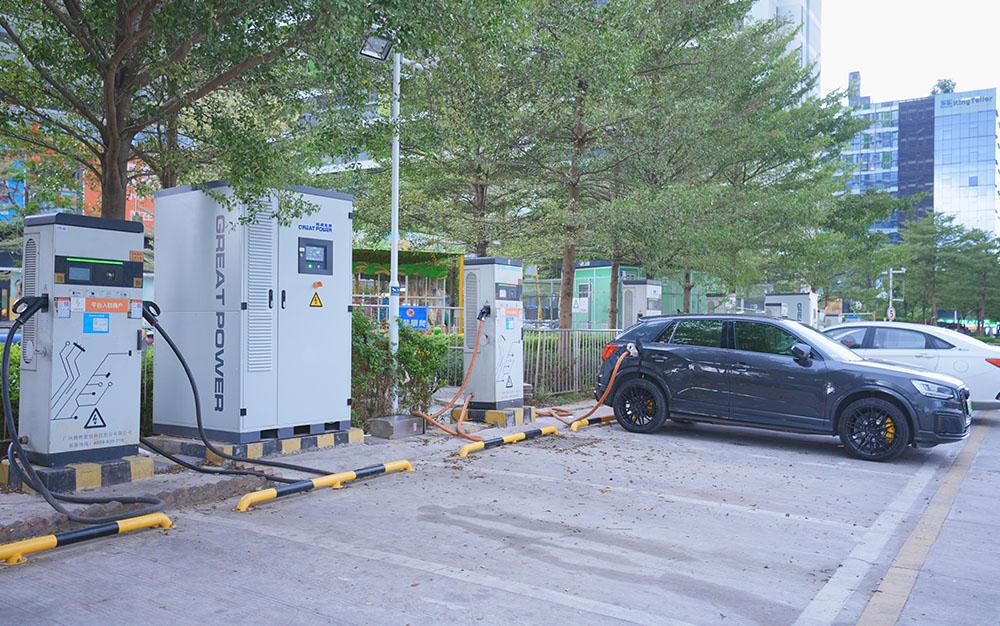
Describe the Symptom Before Choosing a Cause
First identify what changed: a session failed to start, stopped unexpectedly, delivered reduced power, or disappeared from the supervisory platform. These symptoms require different checks. A failed authorization and a protective shutdown may both leave a driver unable to charge, but they do not establish the same fault or repair requirement.
Record the charger identity, time, displayed message, connection state, and recent service activity. Also note whether the problem affects one vehicle, one charging point, or several units.
A shared pattern helps direct attention toward common infrastructure, whereas a single occurrence may require closer review of the local connection or vehicle interaction. This comparison narrows the investigation before any intrusive electrical examination is considered.
Operating conditions matter in photovoltaic solutions because generation, storage availability, grid limits, and simultaneous charging demand can change. Compare the session with the site's permitted operating state. A lower power level can be an intentional control response rather than failed hardware, particularly when several users share a limited supply at the same time.
Follow the Available Power Toward the Vehicle
A practical diagnostic path follows electricity from the available sources through conversion and distribution to the charger. The vehicle then requests power within its own limits.
Comparing site availability, charger commands, measured delivery, and vehicle demand helps locate a restriction without assuming all of those values should be identical throughout a session. The comparison is most useful when readings relate to the same time and operating state.
At a solar electric car charging station, inspection also needs to consider plugs, cables, ventilation, enclosures, and signs of damage. Abnormal heating or water ingress can justify removing equipment from service. Opening compartments, measuring electrical circuits, or disturbing connections requires qualified personnel and the approved isolation procedure for the affected equipment.
Protective functions should not be bypassed to complete a charging session. Repeated trips need investigation of their cause, not progressively looser settings. The diagnostic record should preserve the operating conditions around each event so the service team can distinguish a persistent component problem from a restriction triggered by a particular load or environment.
Check Communications and Energy Management
A charger can be physically available while authorization, network access, metering, or supervisory communication is interrupted. Status information therefore needs its own diagnostic path.
Operators should distinguish a device reporting a fault from a platform that has stopped receiving updates. An old status value cannot reliably describe the current charging condition. A timestamp can be as important as the status message itself during diagnosis.
At Great Power, our intelligent PV offering combines renewable-energy access, storage management, fast EV charging, and vehicle inspection services. This integrated application shows why a charging symptom may involve more than power hardware. Diagnosis needs to establish which function is unavailable and whether the other subsystems are responding normally to that condition.
Energy allocation also needs context. A site controller may intentionally reduce a charger command while reserving capacity elsewhere, but that explanation must be checked against the actual records. Comparing timestamps, commands, and measured results helps avoid replacing a functioning device when the real problem lies in communication, configuration, or an unmet operating condition.
Use Repeated Faults to Improve Maintenance
A reset may restore service without resolving the underlying fault; protective trips should be investigated and handled according to the equipment's approved procedures. Recurring events should be compared with charging demand, ambient conditions, component temperature, storage state, and previous repairs. A problem that occurs only during busy periods may remain invisible during a quiet maintenance visit, so the conditions before the fault are particularly valuable.
The repair record should show whether the original triggering condition was reproduced safely during approved verification. Our portfolio at Great Power includes multiple intelligent charging-station projects. In comparable integrated installations, photovoltaic solutions benefit from maintenance records that connect individual devices with site conditions.
Recording what changed, why it changed, and how operation was checked afterward gives future service teams a more reliable starting point than an alarm list alone. At Great Power, we combine energy access, storage management, and charging; dependable operation also requires coordinated controls and maintenance.
A solar electric car charging station should return to service only after the relevant checks are completed. Symptom records, power-flow comparisons, communication diagnostics, and trend review turn troubleshooting into a search for causes rather than repeated resets.
 Consulting & Services

 Great Power
