


 Date:2026.10.29
 Views: Loading


A fair comparison must span electrochemical characteristics, maturity, validation evidence, operating conditions, and supply strategy. The question for a battery energy storage system project is not which chemistry sounds newer, but which technology has evidence appropriate to the required duty and deployment date.
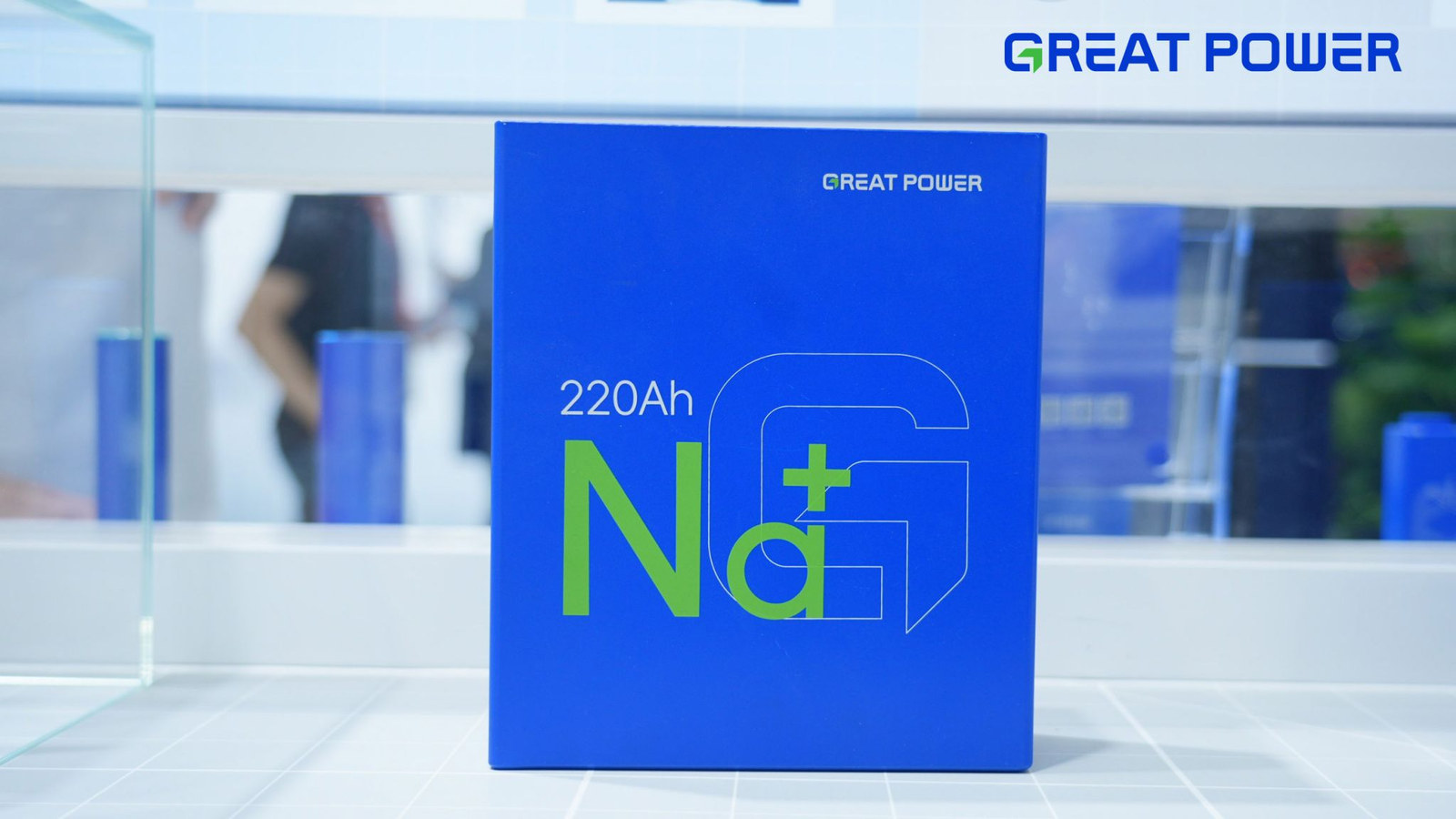
Chemistry Sets the Starting Conditions
Lithium iron phosphate uses lithium ions and an iron-phosphate cathode structure, while sodium-ion cells move sodium ions through a different electrode system. Those material choices influence voltage, energy density, temperature behavior, cell design, and manufacturing decisions.
Chemistry does not by itself determine complete-system safety or economics; pack construction, electrolyte, cooling, controls, fire protection, and operating limits remain important. System engineering can make one LFP-based great power battery substantially different from another LFP product. The same caution applies to sodium-ion cells. Broad chemistry descriptions are not performance guarantees.
Comparisons need to separate material-level tendencies from results demonstrated by a tested product under the stated product test conditions. A technically useful comparison keeps every value connected to a test condition. Cell format, discharge rate, temperature, state-of-charge window, and cycle definition can change the meaning of capacity, efficiency, or lifetime data.
Results from a small cylindrical sodium-ion cell cannot be transferred automatically to a utility container, just as an LFP pack test does not describe every LFP system. The phrase great power battery identifies a product family, but the chemistry, format, and system boundary still need to be named. This prevents brand or chemistry labels from replacing the engineering details that determine suitability.
Maturity Affects Deployment Risk
An established chemistry benefits from longer production experience, broader component ecosystems, and more operating data. LFP systems in Great Power's portfolio use high-safety LFP materials together with flame-retardant electrolyte technology, pack-level thermal design, UL9540A testing, and multiple fire-protection layers. These facts describe a mature platform supported by system engineering, not just a cathode choice.
For battery energy storage system scheduled for near-term construction, available certifications, tested configurations, supplier capacity, and field support can carry as much weight as laboratory potential. Our LFP systems integrate cell materials with thermal isolation, liquid cooling, alarms, and enclosure protection.
Deployment risk also has a time dimension. A project entering procurement needs production capacity, documents, interfaces, and service arrangements that exist within its schedule. A research program may offer promising properties yet still require scale-up, configuration testing, or approval work before it can support that date.
This does not reduce the scientific value of a newer chemistry; it places maturity beside performance in the decision. The correct comparison asks what is available now, what has been validated, what remains under development, and which remaining steps are critical to the planned commissioning date.
Sodium-Ion Progress Is Best Read as a Timeline
Development milestones reveal more than a single announcement. Great Power advanced its sodium-ion battery technology through layered-oxide and polyanion routes and obtained approvals for multiple related patents.
By 2022, small cylindrical sodium-ion batteries had completed serial trial production and sample testing. The SIB26650 cell later passed a national sodium-ion evaluation that included thermal abuse, heavy impact, extrusion, forced over-discharge, and low-temperature discharge tests.
Our sodium-ion work also includes a signed 5MW/10MWh energy storage power-station demonstration project for the Qingdao North Coast Data Center. These stages show movement toward commercialization without erasing the maturity difference between sodium-ion development and an established great power battery LFP platform.
Project Conditions Decide How the Evidence Is Weighted
Temperature range, discharge rate, duration, cycle expectations, footprint, delivery schedule, and certification path all influence chemistry selection. A project may value an established supply and validation record, or it may have operating conditions that justify evaluating a newer route. Procurement also needs to confirm whether evidence comes from a small cell, production cell, module, or complete system.
In battery energy storage syste, a promising chemistry still requires compatible thermal management, controls, enclosure design, and service planning. Great Power develops both LFP and sodium-ion technologies, which anchors the comparison in actual engineering routes and moves it beyond a purely theoretical contest.
The practical conclusion is conditional. LFP offers a mature reference platform, but its system-level safety performance must be evaluated for the specific product configuration. Sodium-ion has advanced through research, patents, trial production, evaluation, and a demonstration-project agreement, creating a credible development pathway.
Our portfolio does not make those stages identical. Chemistry selection becomes defensible when the project's operating needs are matched to the evidence available for the proposed product. A future battery energy storage system design may weigh the technologies differently as validation and production evidence develop.
That distinction protects schedules and keeps future potential from being confused with equipment that can satisfy present project requirements and approval milestones. Technology selection should reflect the project's operating requirements, validated product evidence, and deployment schedule.
 Consulting & Services

 Great Power
