


 Date:2026.10.29
 Views: Loading


Containerized battery storage becomes easier to evaluate once each term has a location, function, and interface. The vocabulary map also reveals where a supplier's responsibility ends and where plant integration begins.
Follow the Hierarchy from Cell to Container
A cell is the basic electrochemical unit. Cells are connected and enclosed to form a pack, where sensing, mechanical restraint, thermal paths, and local protection are introduced. Several packs can be arranged in a rack, adding electrical aggregation and a serviceable structure.
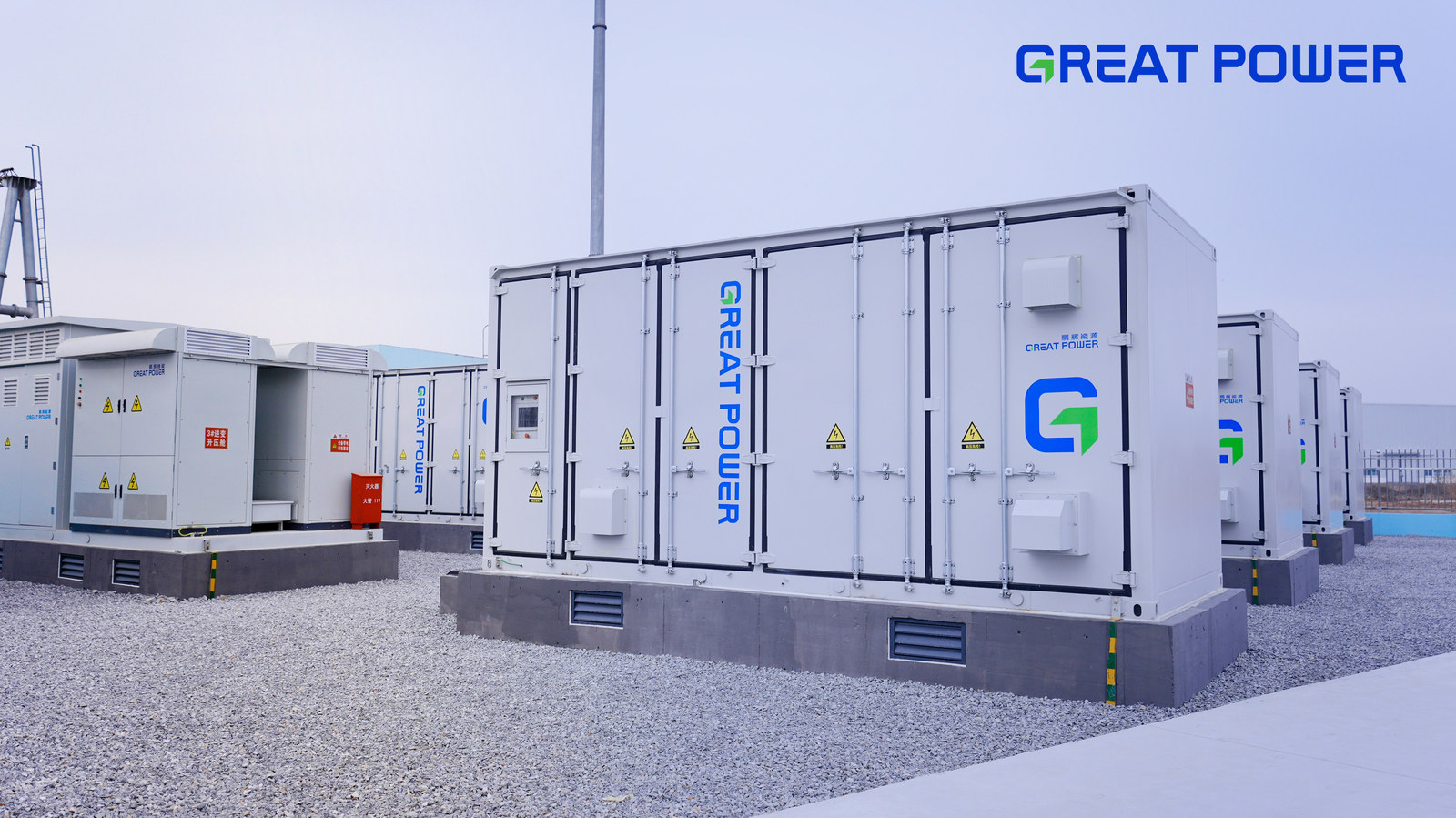
Racks then sit within a cabinet, outdoor unit, or energy container together with cooling, high-voltage equipment, fire functions, communications, and connection points. Each step adds functions and losses, so capacity, efficiency, weight, and protection need a label identifying the level measured.
The term cluster usually describes a separately managed electrical group of packs or racks. Independent cluster management can isolate operating behavior and reduce the effect of mismatch or a local outage, depending on the architecture. A container may hold one or several clusters, while a project may combine many containers.
“System” can refer to the battery DC equipment or a wider plant that includes power conversion, transformers, controls, and grid connection. Clear terminology prevents a component specification from being applied to the wrong boundary. Capacity vocabulary needs the same discipline. Cell ampere-hours describe charge at the electrochemical unit, while kilowatt-hours or megawatt-hours describe energy after voltage is included.
Rated energy, usable energy, and delivered energy can differ because of state-of-charge limits, conversion losses, auxiliary consumption, temperature, and degradation. Power ratings describe the rate of energy transfer, while discharge duration depends on usable energy and actual operating power. Charge and discharge rates should be specified separately where relevant. An energy container specification is incomplete if the number lacks its electrical boundary, test condition, and duration.
Pack and Rack Terms Carry Thermal Meaning
The LiqPack-280Ah is a liquid-cooled battery pack designed for cabinet and container energy storage systems. It uses thermal insulation between cells, maintains a specified cell temperature difference within 2°C, and provides IP67 protection for the pack. LiqPack product documentation references UL 9540A, UL 1973, IEC 62619, the IEC 61000 series, and UN 38.3. Each reference applies within its relevant test or certification scope. These facts belong to the stated pack and tested configuration.
They help describe one building block for containerized battery storage, but they do not turn every connected enclosure into an identically rated object. LiqRack-280Ah places liquid-cooled packs in parallel through a modular rack design. Cell thermal isolation and IP67 protection remain part of the stated design, while the operating range extends from -40°C to 60°C.
Compared with air cooling, the rack design extends cycle life by 20%. Rack terminology matters here because parallel cooling, electrical grouping, installation, and maintenance are organized at a higher level than the individual pack. An energy container assembled from racks must preserve those intended thermal and electrical relationships.
The Container Adds Shared Subsystems
At complete-container level, Max-20HC-5000 uses an integrated 20-foot design and separates protection ratings among enclosure zones. Ultra 588 Ah cell integration and six cabinet-safety levels distinguish Max-20HC-6250. The word “integrated” indicates that several functions arrive within one factory-defined package; it does not specify which external equipment or site work is included.
Cooling auxiliaries, high-voltage distribution, fire interfaces, SCADA links, and commissioning scope still need to be traced in the proposal. Our Great Power portfolio also includes outdoor DC and AC/DC battery systems where individual clusters can be managed independently. An outdoor unit may be deployed as a smaller modular block, while an energy container can concentrate more equipment in a standardized footprint.
Each term must follow its product boundary; using the words as loose synonyms obscures the physical scope of a stationary battery enclosure. Responsibility vocabulary is equally practical. “Integrated” may describe factory assembly without including the PCS, transformer, foundations, or grid studies.
“Turnkey” can cover a wider scope, but its exact meaning belongs in the contract. A responsibility matrix in a containerized battery storage proposal assigns design, supply, software, testing, commissioning, warranties, and service to named parties. The terminology determines which party must close an interface when several companies contribute to the plant.
Controls Complete the Terminology Map
EMS refers to the energy-management layer that schedules charge, discharge, reserves, or site objectives. SCADA handles supervisory monitoring, alarms, data exchange, and plant-level commands. A battery-management system operates closer to cells, packs, or clusters, enforcing electrical and thermal limits.
These systems exchange information, but their responsibilities are not interchangeable. Naming the owner and protocol for each interface is as important as naming the hardware. A specification review can begin by marking every figure as cell, pack, rack, cluster, container, DC system, or complete plant.
The same method applies to capacity, efficiency, temperature, protection, testing, and weight. Great Power maps its products across those levels so that engineers can assemble the required architecture without blurring the evidence. In containerized battery storage, the safest comparison starts by asking which level owns the number before comparing the number itself.
 Consulting & Services

 Great Power
