


 Date:2026.10.30
 Views: Loading


The phrase primary lithium battery covers several chemistries with different voltages, temperature ranges, current capabilities, and application roles. It is distinct from a rechargeable lithium-ion battery, which is designed for repeated charge-and-discharge cycles.
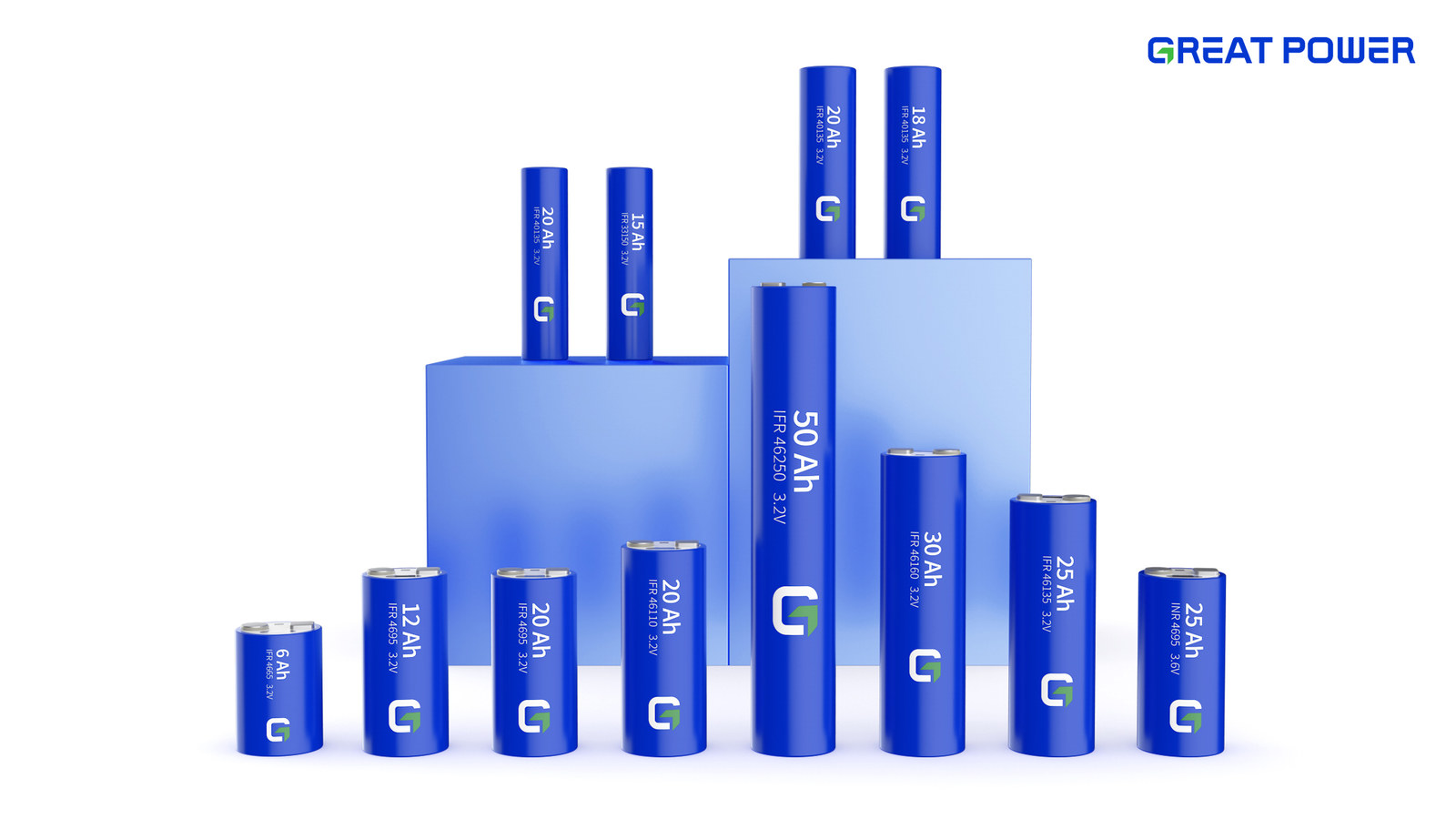
Primary Structure Supports a One-Way Energy Path
Every cell contains an anode, cathode, electrolyte, separator, current collectors, and an enclosure, although the specific materials and construction vary. During discharge, chemical reactions drive electrons through the external circuit and ions through the electrolyte. A primary design is not intended to restore the original electrode state through routine charging.
Attempts to recharge it can create uncontrolled reactions, leakage, heating, or other hazards because the chemistry and structure were not built for reversible cycling. The application defines how the stored energy must leave the cell. A meter may draw a small current over many years, while a camera or radio can demand higher pulses.
Cold environments change reaction rates and internal resistance. Storage before use can be as important as active discharge. These conditions determine which primary lithium battery chemistry, size, terminals, and assembly are appropriate; the word lithium alone does not answer the selection problem. Discharge curves add another layer to that choice.
Nominal voltage is a reference, while actual terminal voltage changes with load, temperature, state of discharge, and cell resistance. Equipment stops operating when voltage falls below its cutoff even if some chemical capacity remains. A comparison between the cell's voltage profile and the device's current pattern reveals usable energy more accurately than ampere-hours alone.
Li-MnO2 Covers a Broad Range of Compact Devices
Button and cylindrical Li-MnO2 models from Great Power serve compact devices requiring safe, consistent primary power. Listed uses include medical devices, security equipment, trackers, electricity and water meters, RFID and electronic labels, remote controls, car-alarm systems, toys, and watches.
These applications span continuous low loads, intermittent transmission, stored standby, and compact consumer formats. Its value comes from configurations for many device shapes and discharge profiles; the individual models do not all behave identically. Product selection still needs the actual load curve, cutoff voltage, pulse requirement, ambient range, storage period, and available space.
A coin-type source for a watch and a cylindrical source for a tracker may belong to the same broad chemistry while having different internal construction and terminals. Our role is to match the model and assembly to those conditions, not to use one generic specification for all Li-MnO2 devices.
Li-FeS2 Serves Higher-Drain Portable Loads
Li-FeS2 batteries in our portfolio are used in digital cameras, medical devices, GPS products, electronic door locks, measuring instruments, sensors, radio transceivers, and other electronics. The supplied information describes higher discharge capacity than comparable alkaline and carbon primary batteries, weight at roughly two-thirds that of alkaline-manganese batteries, stable high-current discharge, and operation from -40°C to +60°C.
A 10-year storage life is listed with more than 80% capacity retention at room temperature. Those characteristics connect directly to application behavior. Lower weight matters in portable equipment, high-current stability matters during demanding pulses, and wide temperature capability matters when devices operate outdoors or in transport.
Storage retention supports equipment held for future use or deployed for long service intervals. A primary lithium battery still has to be checked against the device's current waveform and end-voltage requirement because headline capacity does not describe voltage response under every load.
Li-SOCl2 Prioritizes Long Storage and Wide Temperature Use
Li-SOCl2 products emphasize wide operating temperature and low self-discharge. Great Power lists smoke alarms, meters, electronic toll collection, and Internet of Things equipment among the applications. These devices may remain unattended for long periods and can place high value on preserving energy during storage or low-load operation.
The chemistry serves a different role from a rechargeable custom lithium ion battery, which is expected to accept energy repeatedly from a charger. Integration can extend beyond the bare cell. Our Li-SOCl₂ battery modules can be configured with wiring harnesses of suitable lengths, plug types, and contact types for the intended equipment.
Zinc-air is also part of our primary portfolio, adding another chemistry for its own application conditions. The correct choice follows the device's load, environment, storage interval, mechanical connection, and replacement plan. Primary battery science becomes practical when those conditions select the chemistry.
Grouping different lithium battery chemistries under one label can obscure which chemistry best fits a device's specified operating requirements. Storage and transport preserve performance before initial discharge. Temperature history, package integrity, terminal protection, and inventory rotation affect the cell's condition at installation.
Great Power treats these questions within the product and application boundary for each chemistry. Handling instructions for rechargeable batteries should not be assumed to apply to primary cells. Clear identification protects both performance and safe use.
 Consulting & Services

 Great Power
